
The statistic declared by multiple organisations that 100% of Australian citizens have access to clean drinking water is not entirely true. Many Aboriginal communities have to settle for a slightly polluted source.
How can organisations solve this? One idea revolves around water well drilling. It's a chance to gain access to safer drinking water. A drilling company that works with the government has a chance to satisfy a basic need with a safer alternative.
One barrier, however, is the water well drilling cost that's attached. Any kind of environmental drilling has its pros and cons. Exactly how much does it cost to drill deep enough for water, minerals, and other resources? Read ahead to find out!
Factors that Influence Water Well Drilling Cost
The entire process can be categorised into four steps. These are drilling, pumping, casing, and finishing the installation. The final cost, though, adds a few variables to the mix.
First, you have to consider the materials involved. For common water well drilling, these aren't too expensive or difficult to obtain. And, because the material to drill is generally dirt that may or may not have an asphalt top, the difficulty isn't generally too high.
However, the specialists involved, location, and depth are also major factors to keep in mind. Finally, the purpose of the well is of utmost consideration. This might be residential, commercial, or for electrical uses.
Materials
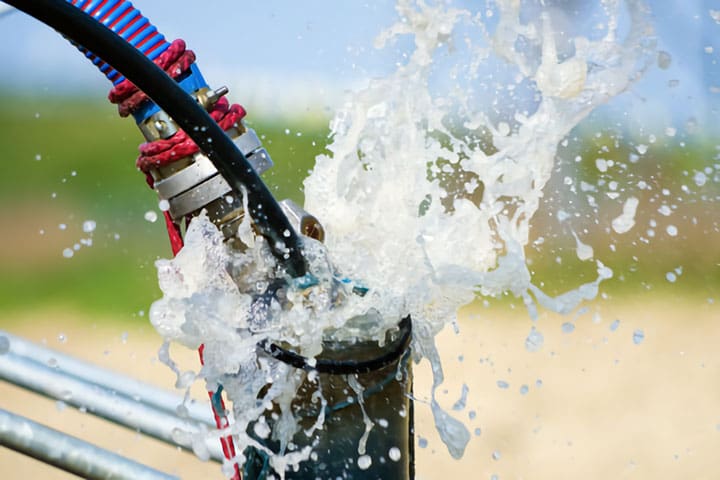
Water well drilling, specifically, is somewhat simplistic. The involved pieces are the drill bit, engine, and related fuel. You'll additionally see well casing, electrical wiring, a pressure tank, gravel screen, and submersible pump.
These components work together to add functionality to what otherwise would just be a deep hole in the ground.
Location and Measurements
The location that requires drilling is also a major factor to keep in mind. The depth needed to reach a reliable aquifer varies a lot from site to site. Some properties find water at shallow depth, while others need a much deeper bore.
The deeper the bore, the more it costs, but a bore that reaches a reliable aquifer is also less likely to run dry during a drought.
These factors, mixed with a type of soil or material to drill through, have a significant impact on cost. Soft dirt, sand, partially rocky terrain, and densely compacted terrain are very different.
For example, hard rock takes longer to drill than soft ground, so it costs more per metre.
Choosing Quality Drilling Over Affordability
While looking for the best water well drilling cost for your specific situation, try and find a balance between affordability and quality. There's a lot that can go wrong, so you'll want a good drilling company on your side.
This is especially true considering everything that goes into the process—the materials, specialists, terrain composition, depth, width, and much more. If any of these is improperly evaluated or used, you might have a disaster on your hands.
Give us a call for a more exact price range depending on your well drilling needs!